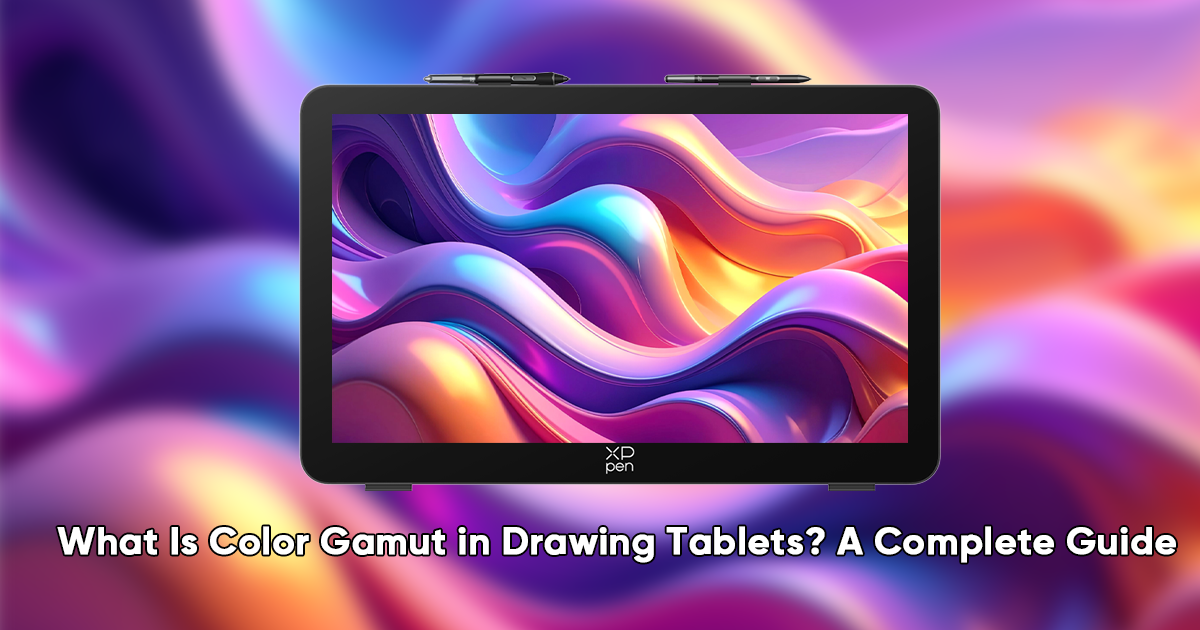
What Is Color Gamut in Drawing Tablets? A Complete Guide
KNOWLEDGEMost people can name a few colors off the top of their heads — blue, green, red, yellow. Designers might go further, thinking in terms like maroon, cyan, crimson, or teal. But in reality, there are millions of colors — the human eye can perceive roughly 10 million colors.
But even modern displays can’t reproduce them all. The range of colors that a device can produce or display is known as the color gamut. For designers and digital artists, it’s a major consideration when investing in a drawing tablet. If colors are wrong on your tablet, the final artwork can appear different on other screens or in print.
Below, we will explain what a color gamut is, the different color gamut standards, and how the concept can help you choose the right drawing tablet. Let's dive in.
What is Color Gamut?
Color gamut is the range of colors that a device can produce or display. The more colors a device can produce, the more vivid and accurate the images will be. In some cases, the limitation isn't the device itself but the human eye.
In effect, color is often described using three dimensions:
-
Hue is the basic color determined by the position on the color wheel, e.g., blue or red.
-
Saturation is the intensity or purity of a color, ranging from muted, grey-like tones to extremely vivid hues.
-
Brightness is how light or dark a color appears.
Together, these three dimensions determine the variety of colors a drawing tablet can produce. But not every system describes colour in exactly the same way.
Common Color Gamut Standards Explained
Not all screens measure color gamut in the same way. Different device classes perform at different levels, providing a greater or lesser number of visible colors.
sRGB
sRGB is the most widespread color gamut. It’s commonly found in monitors, TVs, and digital cameras. It was designed as a compromise between color range and consistency so that most devices could reproduce images reliably. It covers about 35% of the visible spectrum.
If you’re looking for a monitor for graphics and illustration, you’d like an sRGB of at least 99%.
Adobe RGB
A step up from the sRGB color gamut, especially in greens and blues. Adobe RGB covers about 50% of the visible spectrum. It’s the standard in photography, graphic design, and printing — areas where color accuracy is critical.
Learn how sRGB and Adobe RGB compare and which is better overall.
DCI-P3
DCI-P3 covers around 45% of the visible spectrum. Due to its high contrast ratio and wide color range, it’s preferred in digital cinema. You’ll find it’s important when picking a video editing monitor.
Rec. 2020
Rec. 2020 is used almost exclusively in ultra-high-definition television (UHDTV). Covering about 75% of the visible spectrum, it's not yet widely used as a standard because of technical limitations.
Why Color Gamut Matters for Digital Artists
Digital artists think about colour very differently from most people. They’re not just watching films or tapping away in a Word document. They’re comparing colors, inspecting subtle differences in shade, and trying to standardize the appearance of designs across physical and digital media.
Color gamut matters for:
-
Accurate illustration and painting. Artists look for subtle tones and gradients in their drawings that are not visible on low-quality screens.
-
Consistent color across devices. Designers want imagery to look the same across monitors, tablets, phones, and printed materials, even though color gamuts vary.
-
Professional animation and design work. Color precision matters in concept art, game design, animation, and graphic design, where shades and hues alter the user experience.
-
Reduce the need for color correction. Poor displays force artists to repeatedly adjust colors, wasting time and weakening the final artwork.
Color Gamut vs Color Accuracy
Color gamut refers to the range of colors a display can show. But that’s not the same as how accurately those colors are reproduced.
Color accuracy is measured primarily by Delta E. A lower Delta E value means the display color closely matches the intended color. If you’re buying a professional display, you’ll want both wide gamut and high accuracy.
How Color Depth Influences Color Gamut
Color depth determines how many variations exist within each color. It matters when displaying things like gradients, shading, and subtle tones. The lower the color depth, the more noticeable banding appears within gradients. 10-bit displays support over a billion colors, producing smoother gradients and more precise color transitions.
XPPen Artist Pro 27 Gen 2 — A Drawing Display Built for Serious Color Work
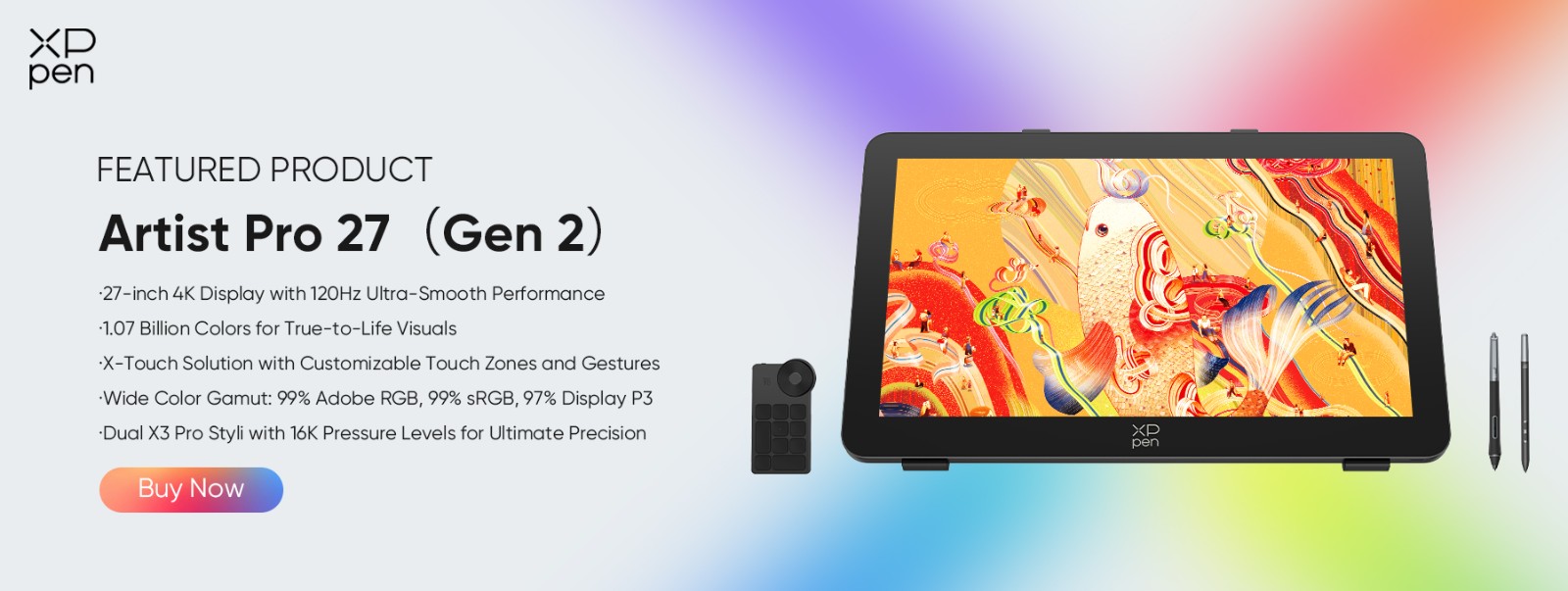
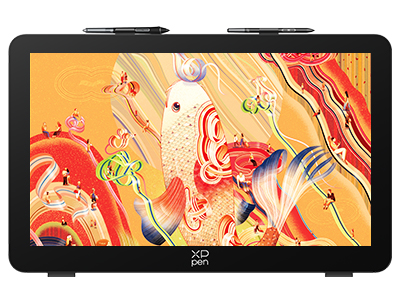
The XPPen Artist Pro 27 (Gen 2) really leans into colour performance. It can display 1.07 billion colours, with 99% sRGB, 99% Adobe RGB, and 97% DCI-P3 coverage, giving artists a huge colour range to work with.
It’s a 10-bit display, colours blend much more smoothly. Gradients look natural instead of showing the banding you sometimes see on standard 8-bit screens.
The result? Richer tones and more accurate colour when you’re painting, shading, or working with subtle lighting. The display is also Calman Verified for professional color accuracy.
But it doesn’t just excel in color gamut. Other features include:
-
4K + 120Hz mega display (120Hz refresh rate, 5ms response time)
-
X-Touch Control System with three touch modes — default basic, and custom — and physical touch switch
-
Etched antiglare glass display with full lamination
-
Fanless silent design for distractionfree creative work
-
Adjustable ACS02B stand (16°–72°) and ACK05 wireless shortcut keyboard
Check out the XPPen Artist Pro 27 (Gen 2) to learn more about how the device delivers highly responsive touch functionality and extremely precise color reproduction (Delta E < 1).
FAQ
What does color gamut mean?
The color gamut is the range of colors a display can reproduce. It’s measured in different standards that cover different percentages of the visible color spectrum.
Is a wider color gamut better?
Generally, yes. A wide color gamut means a display can reliably reproduce more colors, helping artists and designers better differentiate between different shades.
Is sRGB enough for digital art?
It can be. sRGB covers only about 35% of the visible spectrum. If you’re using sRGB to assess a display, look for at least 99%. Other standards provide a high degree of accuracy.
Why do professionals care about Delta E?
Professionals care about Delta E because it measures color accuracy, which is crucial for tasks like photography, graphic design, and printing. A lower Delta E value indicates that the displayed color closely matches the intended color.
About Us
Founded in 2005, XPPen is a leading global brand in digital art innovation under Hanvon UGEE. XPPen focuses on the needs of consumers by integrating digital art products, content, and services, specifically targeting Gen-Z digital artists. XPPen currently operates in 163 countries and regions worldwide, boasting a fan base of over 1.5 million and serving more than ten million digital art creators.
Learn more





Looking for the Best Drawing & Design Apps?
Discover essential drawing techniques, expert tips, and the best app recommendations to boost your creativity and master digital art.
