Complete Game Designer Guide Salary, Skills & More
KNOWLEDGEGame designers are the creative minds behind what makes games fun and engaging. Every level, mission, character, and reward system starts with their vision—and they ensure every piece works together.
The gaming industry offers diverse career paths. Whether you're into mobile, PC, or console games, mastering the right skills is key to success.
This guide covers the role, clarifies the difference between design and development, and lists essential skills. You'll also find salary insights, learning resources, and practical steps to begin your journey.
Part 1. What Does a Game Designer Do?
A game designer creates the ideas, rules, and systems that shape a video game. While artists handle visuals and programmers write code, the designer plans how the game actually works—with the core goal of making it enjoyable, balanced, and engaging for players.
Throughout the project, they collaborate closely with artists, developers, writers, sound designers, and testers.
Main Responsibilities of A Game Designer
-
Create the game concept – Every game starts with an idea. The designer defines the game type, story, target audience, core gameplay, and overall style and theme.
-
Design gameplay – This is the heart of the game. Designers decide on player controls, character abilities, combat systems, level progression, rewards, and difficulty balance to keep players engaged without frustration.
-
Build levels and missions – They map out enemy placements, puzzles, hidden rewards, checkpoints, and boss battles. Each level should introduce fresh elements while maintaining a consistent difficulty curve.
-
Write design documents – Before coding begins, the designer prepares a Game Design Document (GDD) outlining gameplay rules, character abilities, story, UI, weapons, mechanics, and level structure to align the entire team.
-
Test and improve the game – Designers continuously test the game, observe player interactions, and refine areas like mission difficulty, rewards, controls, weapon balance, and enemy strength to enhance the overall experience.
-
Collaborate across teams – Game design is a team effort. Designers regularly work with programmers, artists, animators, sound designers, writers, QA testers, and project managers to keep development on track.
Work Environment & Job Description
Game designers typically work at video game studios, mobile game companies, indie studios, or firms specializing in educational, VR, or simulation software. Experienced designers may also freelance or launch their own indie studios.
A typical job description includes planning game concepts, designing systems, creating levels, writing GDDs, collaborating with production teams, testing gameplay, improving player experience, and supporting game launches. Ultimately, the role balances creativity with a deep understanding of what makes games fun for players.
Part 2. Game Designer vs Game Developer
Though often used interchangeably, “game designer” and “game developer” refer to two distinct roles.
The developer builds the game through code. They write programs, troubleshoot technical issues, and ensure every feature runs smoothly.
The designer , by contrast, shapes the creative vision—defining the rules, crafting levels, and mapping out the player’s journey, while developers turn those ideas into a functioning product.
Game Designer vs Game Developer
| Game Designer | Game Developer |
|---|---|
| Creates gameplay ideas | Writes the code |
| Plans levels and missions | Builds game systems |
| Designs rules | Programs mechanics |
| Creates player experience | Fixes technical issues |
| Writes design documents | Optimizes performance |
| Tests game balance | Removes software bugs |
In essence: the designer decides: what players do, and the developer decides? how the system makes it happen.
Do They Work Together?
Absolutely. A polished game relies on close collaboration. For instance, when designing a boss battle, the designer outlines the encounter, the developer codes its behavior, the artist models the character, the animator brings it to life, and the sound designer adds atmosphere. Each contribution is essential to the whole.
Which Career Is Better?
Neither is superior—it simply depends on your strengths and interests.
Choose game design if you’re drawn to:
-
Creativity and storytelling
-
Strategic planning
-
Understanding player psychology
-
Solving experience-focused problems
Choose game development if you’re passionate about:
-
Programming and logic
-
Mathematics and algorithms
-
Software architecture
-
Debugging and technical problem-solving
Many professionals choose to develop skills in both areas, as design and development complement each other and open up more opportunities in the industry.
Part 3. The Skills You Need as a Game Designer
You do not need to master every skill before starting, but learning these basics will make becoming a game designer much easier.
1. Creativity
Game designers are constantly generating fresh ideas—from characters and stories to levels, challenges, and rewards. A strong creative instinct not only fuels original concepts but also helps your games feel distinctive and memorable in a crowded market.
2. Communication
Game designers explain their ideas to many people. Clear communication helps artists, programmers, and writers understand your vision. Good teamwork also reduces mistakes during development.
3. Problem-Solving
Every game project faces challenges. Players may find levels too difficult. Rewards may feel unfair. Controls may confuse beginners. A good designer identifies these problems and finds simple solutions.
4. Storytelling
Not every game needs a long story, but storytelling makes many games more engaging.
Even puzzle and action games benefit from interesting characters and meaningful goals.
5. Basic Drawing and Sketching
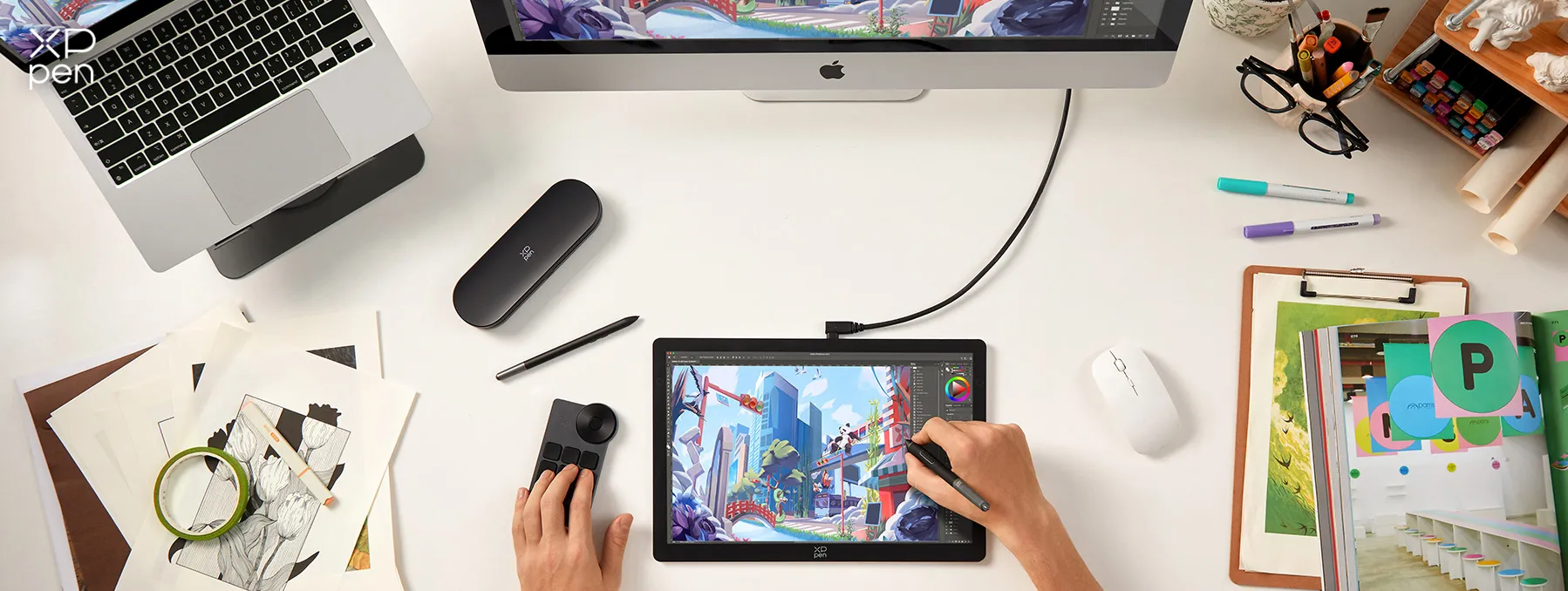
You don’t need to be a professional illustrator—simple sketches can effectively convey character ideas, level layouts, UI designs, and puzzle concepts. Many designers use drawing tablets for quick planning.
Tip: The XPPen Artist Ultra 14 , with its natural pen feel, high-res display, and accurate colors, lets you sketch directly on screen, making it a great fit for both beginners and experienced designers.
6. Game Design Software
Learning a game design app helps you understand how games are actually built. Popular beginner-friendly platforms like Unity, Unreal Engine, Godot, and GDevelop let you experiment with mechanics, level layouts, and gameplay systems while creating your own projects.
Working hands-on with these tools not only builds practical skills but also gives you a clearer sense of how design ideas translate into playable experiences.
7. Understanding Players
Great designers always keep the player in mind. Ask yourself: Is this level fun? Is the tutorial clear? Are rewards satisfying? Does difficulty feel fair? Empathizing with players helps you create games that keep people engaged for hours.
Part 4. Salary: Is Game Design High Paying?
Many people ask whether a game designer salary is worth the time and effort needed to learn the job. The answer depends on several factors, including your experience, location, the size of the company, and the type of games you design.
Most beginners start in junior positions. As they gain experience and build a strong portfolio, they can move into senior or lead roles with higher pay.
Average Game Designer Salary Around the World
Here are estimated yearly salary ranges. Actual pay varies by company and country.
| Country | Average Yearly Salary |
|---|---|
| United States | $65,000–$120,000 |
| Canada | CAD 60,000–100,000 |
| United Kingdom | £30,000–£65,000 |
| Netherlands | €40,000–€65,000 |
| Australia | AUD 70,000–110,000 |
Large game studios usually offer higher salaries than small independent studios. Designers who specialize in gameplay systems, level design, or multiplayer games may also earn more.
What Affects a Game Designer Salary?
Several factors influence how much a game designer earns:
-
Experience – Junior designers earn less, but pay increases with more projects and skill development.
-
Portfolio – A strong portfolio often matters more than a degree in landing interviews and better offers.
-
Company Size – Larger, well-known studios typically pay more due to bigger projects and teams.
-
Location – Salaries vary by country and city; always consider local living costs when comparing pay.
-
Skills – Expertise in level design, UX, storytelling, game balancing, and basic scripting opens more opportunities and higher pay.
Part 5. Free Tools, Courses, and Inspiration to Start Now
You do not need expensive software to begin learning game design. Many free resources can help you practice and build your skills.
1. Free Game Engines
Godot (open-source), GDevelop (no-code), Unity Personal, and Unreal Engine are all excellent starting points. They let you experiment with level design, mechanics, and player interaction without upfront costs.
2. Helpful Websites
Explore Unity Learn, Unreal Engine Learning Portal, CG Spectrum, GameDev.tv, itch.io, and GitHub for open-source projects. Reading developer blogs and designer interviews also offers valuable real-world insights.
3. Free Courses
Structured lessons are available on Coursera (audit for free), edX, Unity Learn, Unreal tutorials, and YouTube. Many beginners start with these before moving on to paid certifications.
4. Build Your Own Small Games
Watching and reading helps, but practice is what truly matters. Start with simple projects like a maze, puzzle, platformer, racing, or card game. Each one teaches new skills and strengthens your portfolio.
5. Why a Drawing Tablet Helps
Many designers sketch ideas long before writing code. A drawing tablet makes it easy to create character concepts, level maps, UI layouts, menus, and storyboards—often faster than using a mouse.
For example, the XPPen Artist Ultra 14 offers a portable, high-quality display with accurate color and natural pen feel, making it a practical tool for game designers who want to brainstorm visually. It’s not just for illustrators—it’s for anyone who thinks better with a pen in hand.
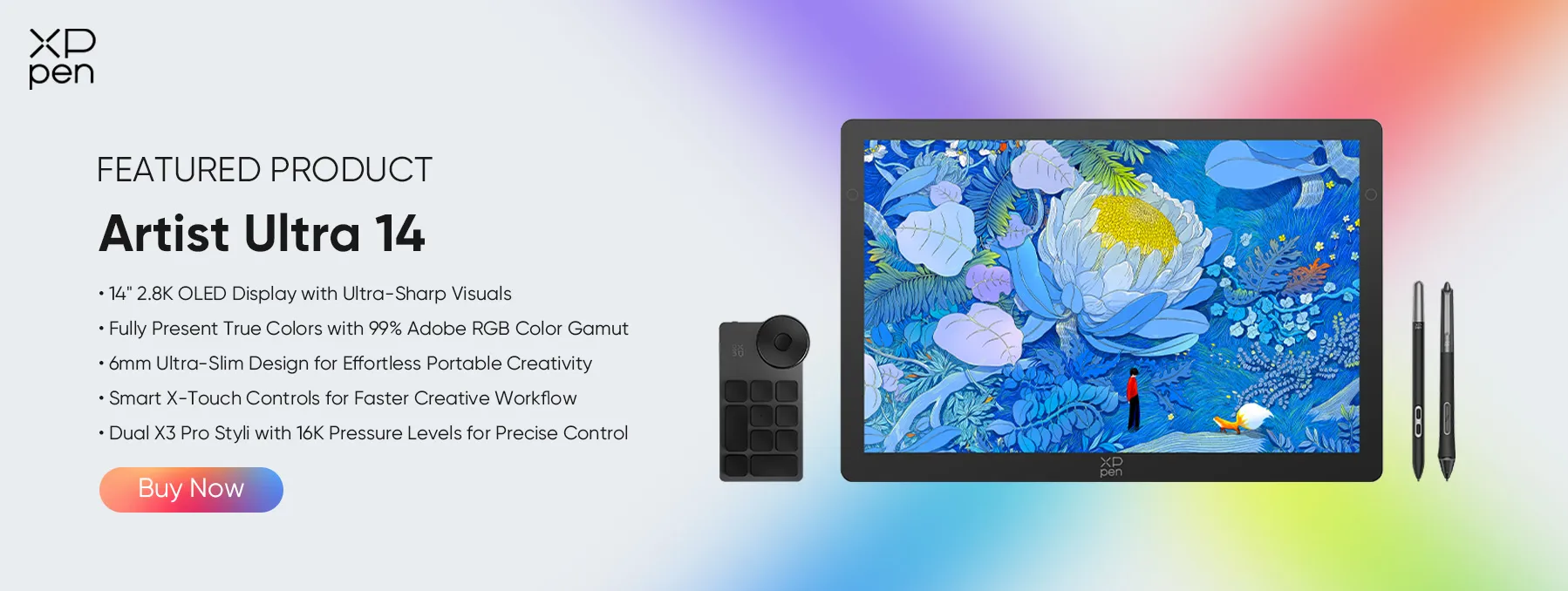
Some of its highlights include:
-
14" 2.8K OLED display with vivid detail
-
99% Adobe RGB & 10-bit color for accurate, smooth transitions
-
90Hz refresh rate for fluid drawing
-
Ultra-slim 6mm design, highly portable
-
Dual X3 Pro styli with 16,384 pressure levels
-
X-Touch for faster workflow
Whether you create concept art, interface mockups, or environment sketches, this display gives a game designer artist the tools needed to work comfortably from almost anywhere.
Part 6. FAQs About Game Design
Q1. Do game designers code?
Some game designers know basic coding, but many focus mainly on gameplay, level design, and player experience. Learning simple scripting can help you communicate better with developers and improve your job opportunities.
Q2. Where do game designers work?
Game designers work in video game studios, mobile game companies, independent studios, educational software companies, virtual reality companies, and simulation development teams. Some also work remotely or as freelancers.
Q3. Is 30 too old to get into game development?
No. Many people begin learning game development or game design later in life. Employers usually care more about your skills, portfolio, and ability to solve problems than your age.
Q4. How much do game designers make in the Netherlands?
A game designer salary in the Netherlands commonly ranges from €40,000 to €65,000 per year, depending on experience, company size, and job responsibilities. Senior designers may earn more.
Q5. How do you make a game design portfolio that helps you get hired?
Focus on quality over quantity. Include small playable games, level designs, design documents, character concepts, and gameplay explanations—along with examples of how you solved design problems.
Personal projects matter most, so be sure to explain your creative choices and what you learned from each one. A clear, thoughtful portfolio often leaves a stronger impression than a long résumé.
Q6. Is Game Design a Good Career?
For people who enjoy games and creativity, game design can become a rewarding career. Every project teaches new skills, and experienced designers can work on mobile games, PC games, console games, educational games, and virtual reality projects. The gaming industry also continues to grow, creating new opportunities for skilled designers.
Conclusion
Becoming a game designer takes creativity, practice, and patience. Master the role, build your skills, understand salary expectations, and create a strong portfolio to land your first job. Use reliable tools, take beginner-friendly courses, and practice regularly by making small games.
If sketching helps your process, a drawing tablet like the XPPen Artist Ultra 14 can make it smoother. With consistent effort, you can build a rewarding career in game design.
About Us
Founded in 2005, XPPen is a leading global brand in digital art innovation under Hanvon UGEE. XPPen focuses on the needs of consumers by integrating digital art products, content, and services, specifically targeting Gen-Z digital artists. XPPen currently operates in 163 countries and regions worldwide, boasting a fan base of over 1.5 million and serving more than ten million digital art creators.
Learn moreRecommended Articles
ROUNDUPS The Best Laptop for Game Development in 2026: Coding, Design & Rendering Tested TIPS 7 Best Free Drawing Websites Online No Download TIPS 7 Best Clothing Design Software Tools 2026 TIPS Digital Nomad Lifestyle 101: Everything You Need to Know


-
 Artist Ultra 14
14-inch 2.8K OLED Display with Ultra-Sharp Visuals
99% Adobe RGB Color Gamut for True-to-Life Color
Ultra-Slim 6mm Design for Portable Creativity
Dual X3 Pro Styli with 16K Pressure Levels
Smart X-Touch Controls for Faster Workflow
It features:
Best 14" OLED drawing display for precision and portability
-
Artist Ultra 14
14-inch 2.8K OLED Display with Ultra-Sharp Visuals
99% Adobe RGB Color Gamut for True-to-Life Color
Ultra-Slim 6mm Design for Portable Creativity
Dual X3 Pro Styli with 16K Pressure Levels
Smart X-Touch Controls for Faster Workflow
It features:
Best 14" OLED drawing display for precision and portability
Looking for the Best Drawing & Design Apps?
Discover essential drawing techniques, expert tips, and the best app recommendations to boost your creativity and master digital art.
