How to Sell Art Online: Platforms, Tips and Strategies
KNOWLEDGESelling art online gives independent artists the opportunity to reach collectors, connect with new audiences, and turn their creative passion into a sustainable business. However, creating beautiful artwork is only one part of the process. You also need to choose the right sales channels, present your work professionally, attract potential buyers, and build trust.
Whether you create original paintings, digital illustrations, photography, or handmade art, understanding how to sell art online can help you reach customers beyond your local community.
The good news is that you don't need a huge following or an expensive studio to get started. With the right strategy, consistent marketing, and suitable creative tools such as the XPPen Magic Pro 13 , you can gradually build an online art business around your unique style.
Part 1. How to Start Selling Art Online: 6 Essential Steps
Before choosing a marketplace or investing in advertising, establish a solid foundation for your art business.
1. Decide What Type of Art You Want to Sell
Start by identifying what you want to offer. Different art products attract different buyers and require different fulfillment methods.
Common options include:
-
Original artwork: Paintings, drawings, sculptures, and one-of-a-kind creations. These often command higher prices but can be harder to sell consistently.
-
Art prints: Reproductions of original artwork. They allow you to sell the same design multiple times at different sizes and price points.
-
Digital downloads: Illustrations, printable wall art, digital posters, and design files. Buyers receive the files electronically, so there is no physical shipping.
-
Art merchandise: Greeting cards, stickers, phone cases, tote bags, and other products featuring your designs.
-
Custom commissions: Personalized portraits, illustrations, and other made-to-order artwork.
You don't have to offer everything at once. Start with two or three product types that match your artistic strengths and production capacity.
2. Identify Your Target Audience
Not everyone who appreciates art is a potential buyer. Your goal is to understand who would actually pay for your work.
Consider your artistic style, subject matter, price range, and the people most likely to connect with them. For example, celestial illustrations may appeal to astrology enthusiasts, while minimalist landscape prints may attract homeowners and interior design enthusiasts. Fan art may reach collectors within specific entertainment communities.
Research similar artists, explore relevant online communities, and observe what customers comment on, save, and purchase. A clearly defined audience makes it easier to choose platforms, create relevant content, and develop effective marketing campaigns.
3. Set Competitive and Profitable Prices
Pricing your artwork requires more than estimating how much time you spent creating it.
Consider:
-
Materials and production costs
-
Your creative labor and experience
-
Packaging and shipping
-
Marketplace transaction and payment fees
-
Advertising and other operating expenses
-
The perceived value and positioning of your work
Research comparable artists, but don't automatically underprice your creations to compete.
For prints and merchandise, consider offering several price points. Affordable products can introduce new customers to your brand, while original pieces and limited editions can provide higher-value purchasing options.
4. Photograph and Present Your Artwork Professionally
Online buyers cannot physically examine your artwork before purchasing. Your product images therefore play an important role in building confidence.
Use natural, even lighting and photograph artwork straight-on to avoid distortion. Include close-up images to show texture, details, and craftsmanship. For framed artwork, consider adding lifestyle photos showing how the piece might look in a real room.
If you create digital art, export high-resolution images and make sure the colors and details are represented accurately. Avoid excessive filters or editing that could mislead customers about the actual product.
5. Choose Your Sales Platform
You can sell through established marketplaces, social media, your own website, or a combination of channels. Marketplaces provide access to existing shoppers, while an independent website offers greater control over branding and customer relationships.
Your choice should depend on your artwork, target audience, budget, and willingness to manage marketing and fulfillment. We'll explore the main options in the next section.
6. Prepare Your Business for Orders
Before launching, establish a reliable purchasing and fulfillment process. Create clear product descriptions that include dimensions, materials, edition information, framing options, and care instructions. Set realistic processing and delivery times, choose suitable packaging, and publish transparent shipping and return policies.
If you sell internationally, research shipping costs, customs requirements, and applicable taxes. A professional buying experience helps turn first-time customers into repeat collectors.
Part 2. Best Places to Sell Art Online and Make Money
There is no single best platform for every artist. Some are better for reaching new shoppers, while others offer more creative control or help build a loyal customer base. The right choice depends on what you sell, who you want to reach, and how much time you can spend on marketing.
1. Amazon: Reach a Large Shopping Audience
Amazon gives artists access to a large customer base and can work well for prints, posters, home décor, and art merchandise. Depending on eligibility and product type, you can also explore its seller programs and print-on-demand options.
To stand out, use searchable product titles that describe the subject, style, size, and format. Include clear images showing the artwork's scale, and provide accurate details about materials and print quality. Research competing products and prices before setting your own.
Advantages: Large potential audience and an established shopping experience.
Things to consider: Competition can be intense, fees affect profit margins, and the platform is more product-focused than artist-focused. It may be less suitable if your priority is building a personal artistic identity.
2. Etsy: Sell Original Art, Prints, and Handmade Products
Etsy is popular for handmade goods, creative products, personalized gifts, and digital downloads. It's a natural starting point for artists whose work appeals to shoppers looking for something distinctive.
Think about the phrases customers actually search for, such as "abstract wall art," "botanical print," or "custom pet portrait." Use these terms naturally in titles and descriptions rather than relying only on artistic language. High-quality listing photos, different size options, and honest customer reviews can also help build buyer confidence.
Advantages: An established marketplace with shoppers already looking for creative and handmade products.
Things to consider: Listing, transaction, payment processing, and advertising fees can reduce your margins. Competition is also high, so simply opening a shop doesn't guarantee visibility. Check Etsy's current fee schedule before pricing your work.
3. Your Own Art Website: Build a Recognizable Brand
An independent website gives you more control over how your artwork is presented, how much you charge, and how customers experience your brand. Platforms such as Shopify , Wix , and Squarespace make it easier to set up an online store without building everything from scratch.
Organize your work into clear categories such as Originals, Prints, and Digital Art. Include an artist bio, write descriptive product pages, and optimize image alt text and page titles for SEO . An email signup also gives you a way to announce new collections directly to interested customers.
Advantages: Greater control over branding, pricing, customer relationships, and the overall shopping experience.
Things to consider: A website doesn't bring traffic automatically. You'll need to attract visitors through SEO, social media, email marketing, advertising, or existing customers. There may also be monthly platform and payment fees.
4. TikTok: Reach Buyers Through Short Videos
TikTok can help artists reach new audiences because creative processes and visual transformations work naturally in short videos.
One artist on Reddit shared that most of their videos received fewer than 800 views, yet even a video with around 400 views could bring potential buyers. Their experience suggests that reaching the right people can matter more than going viral.
Try posting painting processes, behind-the-scenes clips, and finished-art reveals. Showing your face occasionally can help viewers connect with the artist behind the work. Use hashtags that describe the artwork and appeal to potential buyers, rather than targeting only other artists. For example, celestial art might reach a wider audience through astrology or celestial décor topics.
Advantages: Potential to reach new audiences without a large existing following, with video formats that let buyers see your creative process.
Things to consider: Views don't always lead to sales, and consistent content creation takes time. Treat TikTok as a long-term discovery channel, and make it easy for viewers to find your shop. Offering prints or greeting cards alongside original pieces can also give interested viewers more affordable options.
5. Instagram and Pinterest: Build Visibility and Interest
Instagram is useful for visual portfolios, Reels, Stories, and conversations with potential collectors. Pinterest can help your work reach people searching for wall décor, printable art, and creative inspiration.
Rather than trying to maintain every social platform, focus on two or three that suit your audience. Share finished pieces, works in progress, and the stories behind your creations. Use descriptive captions, interact with relevant communities, and include a clear link to your shop in your profile.
Advantages: Both platforms help artists build recognition and direct interested audiences toward their online stores. Pinterest can also bring visitors through searches over time.
Things to consider: Building an audience takes consistency, and engagement doesn't necessarily translate into purchases. Make it clear that your artwork is available, and give followers a simple way to buy it.
6. Art Markets, Physical Stores, and Exhibitions
Online sales aren't the only way to grow an art business. Galleries, craft markets, conventions, and pop-up shops let customers experience your work in person.
This can be especially valuable for paintings and prints, since buyers can see the actual colors, dimensions, and textures before purchasing. They can also take the artwork home immediately. One artist on Reddit noted that some customers first discovered their work at art fairs and later followed their social accounts or subscribed to their newsletter.
Make it easy for visitors to find you again: display a QR code linking to your online store, share your social accounts, and invite interested visitors to join your email list.
Advantages: Face-to-face interaction builds trust, gives buyers a better sense of the artwork, and can create long-term customer relationships.
Things to consider: Events involve booth fees, travel, preparation, and time. Sales may be slow at first, so choose events that attract your likely customers and evaluate results over time.
Part 3. How to Choose the Right Platform for Your Art Business
The right platform depends on your products, budget, audience, and how much control you want over your business. Consider these five factors:
1. Art Style and Product Type
Etsy works well for handmade items and digital art, while Amazon suits product-based sales. Your own website offers more flexibility for building a personal brand.
2. Fees and Budget
Compare listing fees, commissions, subscriptions, payment processing, and advertising costs. Focus on your actual profit, not just the startup cost.
3. Audience Reach
Marketplaces offer built-in discovery, while independent websites usually require more self-promotion. Choose based on where your potential customers shop.
4. Branding and Customer Relationships
Your own website gives you greater control over your presentation, brand story, and email list. Marketplaces are convenient but offer less flexibility.
5. Shipping and Fulfillment
Consider how you'll package original artwork and prints, or deliver digital downloads. Choose a platform that supports your workflow.
A practical approach: You don't have to choose just one channel. For example, you could sell through Etsy while using Instagram and TikTok to attract buyers, then build your own website as your customer base grows.
Part 4. 7 Practical Tips to Sell More Art Online
Listing your artwork is only the first step. These seven practices can help attract buyers and build steady sales.
-
Tell Your Story: Share the inspiration behind your work and what makes each piece special. Buyers may connect with the story as much as the artwork.
-
Use SEO: Include relevant keywords in product titles, descriptions, image alt text, and website pages. For example, botanical artists might target "botanical wall art prints."
-
Build an Email List: Invite visitors to receive updates about new collections, exhibitions, and exclusive offers. This gives you a direct way to reach interested buyers.
-
Offer Different Price Points: Combine original artwork with affordable prints, greeting cards, or stickers to appeal to more customers.
-
Simplify Purchasing: Use clear photos, accurate descriptions, transparent shipping costs, and an easy checkout process.
-
Stay Consistent: Keep sharing your work and engaging with your audience. Track what generates inquiries and sales, and give your business time to grow.
-
Protect Your Artwork: Use suitable preview images, keep original high-resolution files, and clearly state usage and reproduction rights for digital products.
Part 5. Create and Prepare Digital Artwork with XPPen Magic Pro 13
Creating digital artwork for an online art business often involves more than drawing. Artists need to sketch ideas, refine illustrations, prepare print-ready files, and develop designs for different products. Having a flexible creative setup can make this process easier.
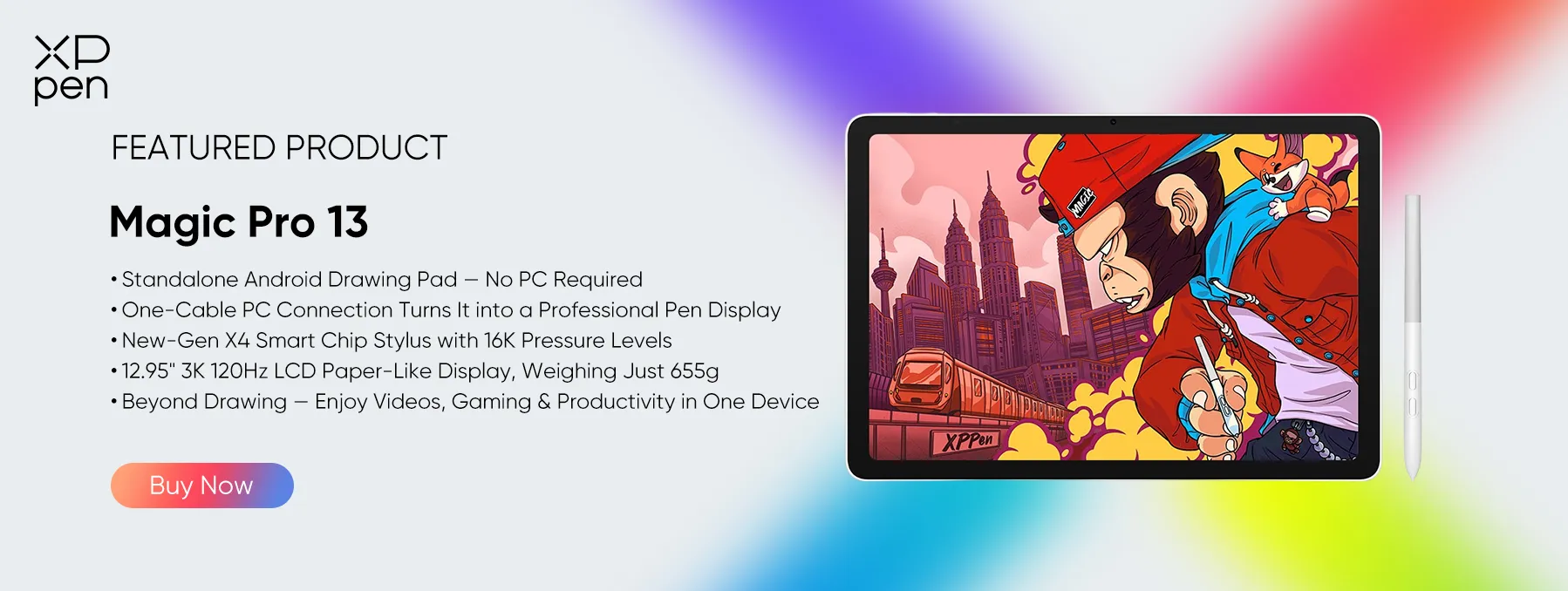
The XPPen Magic Pro 13 is designed to support both mobile and desktop creative workflows. It works as a standalone drawing pad and can also connect to a compatible PC through a single USB-C cable to function as a professional drawing display. This two-in-one design lets artists capture ideas on the go and continue refining their work at a desktop setup without switching devices.
Several features make it particularly useful for digital artists:
-
Detailed, responsive drawing experience: The 12.95-inch 3K display with up to a 120Hz refresh rate delivers sharp visuals and smooth pen movement. The X4 Smart Chip Stylus offers 16,384 pressure levels and a 2g initial activation force, helping artists create fine lines, expressive strokes, and subtle shading.
-
Color-accurate artwork: With 100% sRGB and 96% DCI-P3 color coverage, the display supports more precise color work when creating illustrations, preparing prints, or developing merchandise designs.

-
Creative freedom anywhere: At just 655g and 6.65mm thick, Magic Pro 13 is easy to carry. Its 10,200mAh battery supports mobile creative sessions, while 45W PD fast charging helps reduce downtime.
-
A more flexible production workflow: Use it to develop original illustrations, refine compositions, explore alternative colorways, and prepare digital designs for prints, greeting cards, and other products.
For artists building an online store, these capabilities can help make digital creation more flexible, from the first sketch to the finished artwork. Of course, a drawing device alone won't generate sales, but the right tools can support a more efficient and consistent creative process.
Part 6. FAQs About Selling Art Online
1. What Is the Best Website to Sell Art Online?
There is no universal best option. Etsy is worth considering for handmade art and digital downloads, Amazon for product-based sales, and Shopify, Wix, or Squarespace for artists who want their own branded store. The right choice depends on your products, budget, and audience.
2. Can I Sell Art Online Without a Website?
Yes. You can start with marketplaces such as Etsy and Amazon or use social media to connect with potential buyers. However, having your own website can provide greater control over branding and customer relationships as your business grows.
3. How Can Beginners Sell Art Online and Make Money?
Start with a small collection of your strongest work, choose one suitable marketplace, create professional product listings, and promote your work consistently. Test different product formats and prices, then use customer feedback and sales data to refine your strategy.
4. Is It Better to Sell Original Art or Prints?
Both have advantages. Original artwork can command higher prices but is limited to one sale per piece. Prints allow you to sell the same design multiple times and offer more affordable options. Many artists combine both to reach different customer groups.
5. How Do I Get People to Visit My Art Website?
Use a combination of SEO, social media, email marketing, paid advertising, and offline networking. Share useful content, collaborate with relevant creators, participate in art events, and make your purchase links easy to find.
6. How Long Does It Take to Make Your First Online Art Sale?
There is no fixed timeline. Some artists make sales quickly, while others need months to develop an audience and establish trust. Focus on consistent marketing, clear product presentation, and reaching the right customers instead of expecting immediate results.
Conclusion
Learning how to sell art online involves much more than uploading artwork to a marketplace. You need to understand your audience, choose appropriate sales channels, present your work professionally, and build lasting relationships with potential buyers.
As your business grows, refine your creative workflow and invest in tools that support your artistic process. The XPPen Magic Pro 13 Standalone Drawing Pad is one option for artists looking for a flexible digital drawing setup to support their creative projects.
Ultimately, successful art businesses are built through creativity, consistency, and a genuine connection with the people who value your work.
About Us
Founded in 2005, XPPen is a leading global brand in digital art innovation under Hanvon UGEE. XPPen focuses on the needs of consumers by integrating digital art products, content, and services, specifically targeting Gen-Z digital artists. XPPen currently operates in 163 countries and regions worldwide, boasting a fan base of over 1.5 million and serving more than ten million digital art creators.
Learn moreRecommended Articles
TIPS 7 Best Digital Art Software Tools (Free & Paid) KNOWLEDGE Outline Meaning in Art: Definition, Types & Drawing Tips FOCUSED XPPen Magic Pro 13 Review: Is It Worth Buying? ROUNDUPS 2 Best XPPen Standalone Drawing Tablets for Beginners and Pros ROUNDUPS 4 Best iPad for Procreate: Top Picks for Artists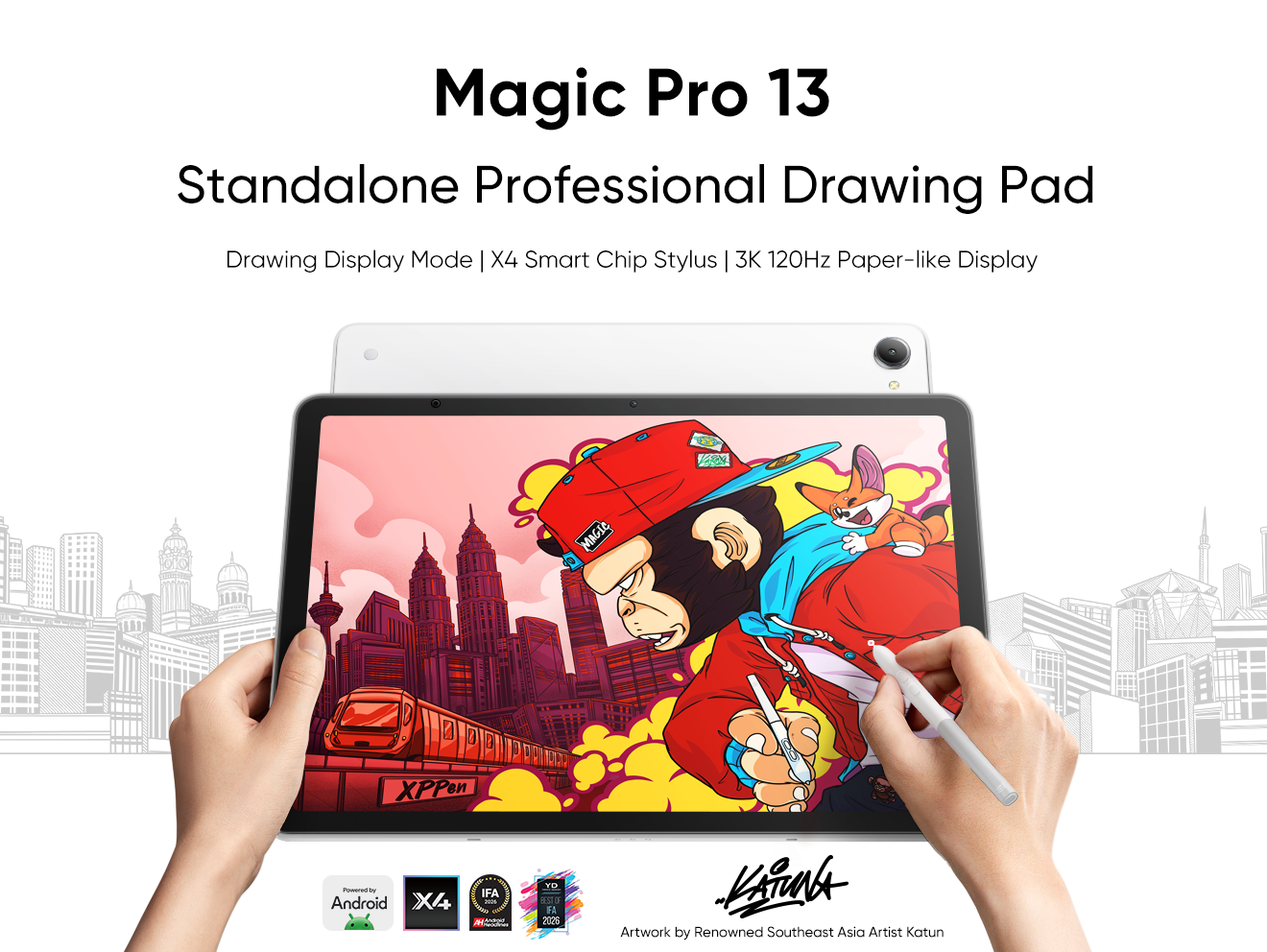


Looking for the Best Drawing & Design Apps?
Discover essential drawing techniques, expert tips, and the best app recommendations to boost your creativity and master digital art.
