Tablet Sustainability: How to Make Your Device Last Longer and Waste Less
TIPSWe live in a world where digital learning has become more and more prevalent. For example, we often use tablets to draw, take notes, watch videos, read books, and stay connected with friends and family. We thought it would be more environment-friendly, since using paper means cutting down millions of trees. But would it?
According to Apple’s own Product Environmental Report, the production phase accounts for 78% of an iPad’s total carbon footprint. In plain terms, making a tablet uses a huge amount of resources—mining metals like copper and cobalt, consuming large volumes of water, and burning a lot of energy. And when the device eventually breaks or becomes obsolete, it turns into electronic waste (e-waste). If not properly recycled, this e-waste can release toxic substances like lead and mercury into the soil and water, polluting the environment for a long time.
This is why more and more people are talking about tablet sustainability today, trying to use and choose tablets in a way that is kinder to the planet. In this article, we will explain what tablet sustainability means in simple terms, why it matters, and what small changes you can make to prolong tablet use.
What Is Tablet Sustainability?
Tablet sustainability simply means caring about a tablet's full life, from the moment it is made to the moment it is thrown away. It includes five simple ideas:
- How it is made: What materials and energy go into building it
- How long does it last? Whether it can be used for many years
- How easy it is to determine whether a broken screen or battery can be repaired
- How much energy it uses, whether it drains a lot of power when charging or running
- What happens when it dies? Whether it gets recycled or just thrown in the trash
A tablet is only truly sustainable if it does well in most of these areas, not just one.
Why Does Tablet Sustainability Matter?
Old electronics, including tablets, are one of the fastest-growing types of waste in the world. Here's why this is a problem we can't ignore:
· Making tablets devours natural resources. The metals inside a tablet's screen, battery, and circuits—like copper, cobalt, and lithium—come from mining. This process consumes enormous amounts of energy and water, and often leaves lasting damage to local ecosystems and communities.
· We replace tablets far too quickly. Many people upgrade to a new model every year or two, even when their current device still works perfectly fine. This means the heavy environmental cost of manufacturing—the mining, the smelting, the shipping—gets paid over and over again, for no real benefit.
· Careless disposal poisons our environment. When old tablets are thrown in the regular trash instead of recycled properly, hazardous materials like lead, mercury, and cadmium can leak into the soil and groundwater. Once these toxins enter the food chain, they stay there for decades.
The encouraging news? You don't need to be an environmental expert to make a difference. The tablet you choose, the number of years you keep it, and the way you eventually pass it on—these small, everyday decisions add up to something much bigger than you might think.
5 Simple Ways to Make Your Tablet More Sustainable
1. Pick a Tablet Built to Last
The best way to be sustainable is to buy a tablet that will still work well in five years, not just one or two. Look for tablets known for strong build quality and long software support. A tablet you keep for a long time is always better for the planet than a "green-labelled" tablet you replace every year.
2. Choose Accessories That Don't Need Batteries
Most drawing tablets come with a pen (stylus) that needs its own battery. Over time, that battery wears out and needs to be replaced or thrown away.
Some tablets smartly solve this problem. The XPPen Magic Drawing Pad is a good example. Its pen has no battery at all. It uses a technology called EMR (electromagnetic resonance). This allows the tablet to "power" the pen through the screen. That means:
- No charging the pen
- No Bluetooth connection
- No pen battery to throw away later
This one design choice quietly removes a small but real source of electronic waste.
3. Buy One Device Instead of Several
Instead of owning a laptop, an e-reader, and a separate drawing tablet, you can use one all-in-one tablet for reading, note-taking, and drawing. Fewer devices mean less manufacturing, less waste, and less clutter. A standalone tablet, one that works completely on its own without needing a computer, is a simple way to cut down on the number of gadgets you own.

4. Take Care of the Tablet You Already Have
Here's the most sustainable choice of all: you don't need to buy anything new. Simply taking better care of your current tablet can add years to its life. Small daily habits make a surprisingly big difference:
- Use a protective case and screen protector to avoid costly cracks and scratches
- Avoid letting the battery fully drain to 0% too often, keep it between 20% and 80% when possible
- Keep the software updated, since manufacturers often include battery optimization and performance fixes in updates
- Stay away from extreme heat (like leaving your tablet in a hot car), which degrades battery chemistry much faster than normal use
5. Recycle or Give Away Old Tablets the Right Way
When a tablet truly can't be used anymore, don't just throw it in the regular trash. Look for a certified e-waste recycling program near you. These programs carefully disassemble old tablets. They reuse valuable materials inside and keep harmful parts out of landfills.
If your tablet still works but you don't need it, consider giving it away or selling it. This lets someone else use it longer, which is even better for the environment than recycling.
Meet XPPen Magic Drawing Pad: A Standalone Tablet Built for Creators
The XPPen Magic Drawing Pad is a professional standalone tablet designed for digital artists, but its versatility makes it equally suitable for note-taking, reading, and everyday use. Unlike traditional drawing tablets that require a computer connection, this device runs independently on the Android 14 system, giving you the freedom to create anywhere—whether you're in a studio, a café, or commuting.
What truly sets it apart is its commitment to longevity. Every feature, from the battery-free stylus to the durable build, is designed to minimize waste and maximize the device's usable life—directly supporting the sustainability principles we've discussed throughout this article.

Key Features That Support Sustainable Use
· X3 Pro Slim Stylus with EMR Technology
The stylus is powered by EMR (electromagnetic resonance) technology and contains no battery—it never needs charging or Bluetooth pairing. With 16,384 pressure levels (200% higher than standard tablets) and 60° tilt support, it delivers precise, natural drawing while eliminating an entire source of electronic waste.
· X-Paper Display
The 12.2-inch AG-etched screen creates a paper-like drawing feel with anti-glare properties. It covers 97% sRGB color gamut and is TÜV Rheinland certified for low blue light, reducing eye strain during long creative sessions. A durable screen means fewer replacements and longer usability.
· Standalone Performance
With 8GB RAM and 256GB internal storage (expandable up to 1TB), the device handles complex artwork and everyday tasks without lag. The 8000mAh battery provides up to 13 hours of continuous use, supporting all-day productivity.
· Versatility: One Device, Multiple Uses
Beyond drawing, use it for note-taking, reading e-books, watching videos, or browsing the web. Its Drawing Display Mode feature even lets you connect it to a PC as a secondary display, potentially replacing both a tablet and a dedicated drawing monitor.
· Built to Last: 18-Month Warranty
The Magic Drawing Pad comes with an 18-month warranty from the date of purchase, covering material defects and malfunctioning parts during normal usage. This extended warranty reflects XPPen's confidence in the device's durability and gives you peace of mind—knowing that repair is a viable option if issues arise, rather than resorting to a full replacement.
FAQs
Q1: What does "tablet sustainability" mean?
It just means taking care of your tablet in a way that's better for the earth. This includes buying a tablet that lasts a long time, fixing it instead of throwing it away, and recycling it the right way when it's really done.
Q2: Why can't I just throw my old tablet in the trash?
Old tablets have things inside them, like metal and battery parts, that can leak and hurt the soil and water if they sit in a regular trash dump. That's why it's better to take them to a recycling center made just for electronics.
Q3: Does a battery-free pen really help the planet?
Yes! A pen with no battery means one less battery that will wear out and get thrown away someday. It's a small thing, but when millions of people use pens like this, it adds up to a lot less waste.
Q4: How long should a tablet last before I get a new one?
A good tablet should be able to last around five years or more if you take care of it. Getting a new one every year, just because it's newer, isn't great for the planet.
Q5: What's the easiest way for me to be more sustainable with my tablet?
The easiest thing you can do is simply keep the tablet you already have for longer. Use a case so it doesn't crack, keep the software updated, and don't let the battery drain all the way down too often
Final Thoughts
You don't need a "perfect" eco-friendly tablet to make a difference. Pick a sturdy device. Choose battery-free accessories when possible. Take care of what you have, and recycle responsibly. All these actions add up over time.
Tablets like the XPPen Magic Drawing Pad show that sustainability and great features can go hand in hand. A battery-free pen, a long-lasting design, and an all-in-one device that replaces several others are not just good for creativity. They're good for the planet too.
About Us
Founded in 2005, XPPen is a leading global brand in digital art innovation under Hanvon UGEE. XPPen focuses on the needs of consumers by integrating digital art products, content, and services, specifically targeting Gen-Z digital artists. XPPen currently operates in 163 countries and regions worldwide, boasting a fan base of over 1.5 million and serving more than ten million digital art creators.
Learn moreRecommended Articles
KNOWLEDGE What to Do With Your Old Tablet: Smart Ideas 2026 KNOWLEDGE E-Reader vs Tablet in 2026: Which One Should You Buy?


-
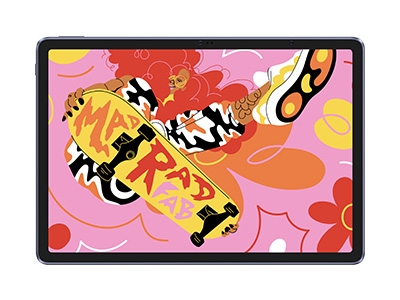 Magic Drawing Pad
X3 Pro Slim Stylus with 16,384 pressure levels and tilt support
X-Paper display featuring anti-glare and fingerprint resistance
Clip Studio Paint and ibis Paint X 3-month free membership
Super portable- just 6.9mm thin and weighs only 590g
Supports dual Windows and DP-IN functions
It features:
Powered by Android 14, no need to connect to a computer to use.
-
Magic Drawing Pad
X3 Pro Slim Stylus with 16,384 pressure levels and tilt support
X-Paper display featuring anti-glare and fingerprint resistance
Clip Studio Paint and ibis Paint X 3-month free membership
Super portable- just 6.9mm thin and weighs only 590g
Supports dual Windows and DP-IN functions
It features:
Powered by Android 14, no need to connect to a computer to use.
Looking for the Best Drawing & Design Apps?
Discover essential drawing techniques, expert tips, and the best app recommendations to boost your creativity and master digital art.
